These short profiles explain the nine possible class results. Roles describe available paths, not a single build that performs every job at once. AI-generated Warcraft artwork illustrates each class; use the quiz result’s race lists for Forever availability.

Druid
Tank · Healer · Melee damage · Ranged damage
Change form to meet the job: animal forms for physical combat, nature magic for healing, or spellcasting at range. Druid suits someone drawn to several ways of playing one character.
Consider: Switching roles means learning different tools and choosing suitable talents and equipment. Versatility does not mean doing every job at once.
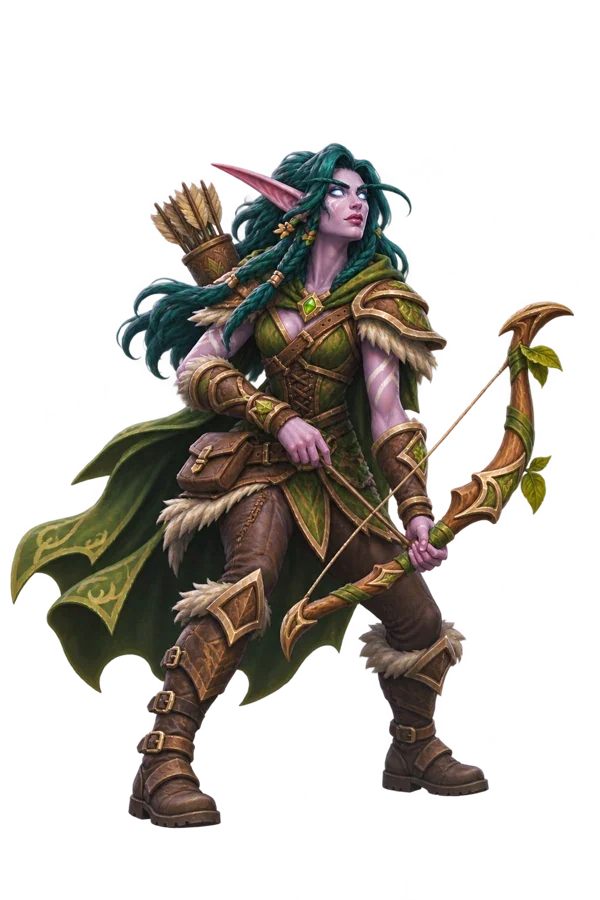
Hunter
Ranged damage
Fight at range with a tameable animal companion. Hunter brings tracking, traps and the relationship between your own actions and your pet’s behaviour into the class choice.
Consider: You are choosing pet management alongside ranged combat. That extra companion needs attention; it is part of the appeal rather than a free bonus.

Mage
Ranged damage
Stay at range and choose spells that damage or control enemies. Mage suits the spellcaster fantasy: frost, fire and arcane magic, with an emphasis on using the right tool at the right moment.
Consider: You have fewer physical protections than an armoured frontline class. Positioning and control matter when an enemy reaches you.

Paladin
Tank · Healer · Melee damage
Combine an armoured champion’s identity with the Light. Paladin offers tanking, healing and melee damage paths, along with blessings and protective tools for allies.
Consider: Your preferred role changes which talents and equipment make sense. Choosing a hybrid class is a choice of paths, not a promise that one setup covers them all.

Priest
Healer · Ranged damage
Choose a healer’s responsibility or explore Shadow as a ranged damage path. Priest places spells, healing and the contrast between Light and darkness at the centre of its identity.
Consider: Healing asks you to watch other players as well as enemies. Choosing the Shadow path changes your job; being a Priest does not mean every build is a group healer.

Rogue
Melee damage
Approach in Stealth, create an opening and use weapon attacks, Poisons and control to exploit it. Rogue suits players who enjoy preparation and close-range opportunities.
Consider: Your group role is melee damage. The flexibility comes from tactics and control, rather than switching to a tank or healer role.
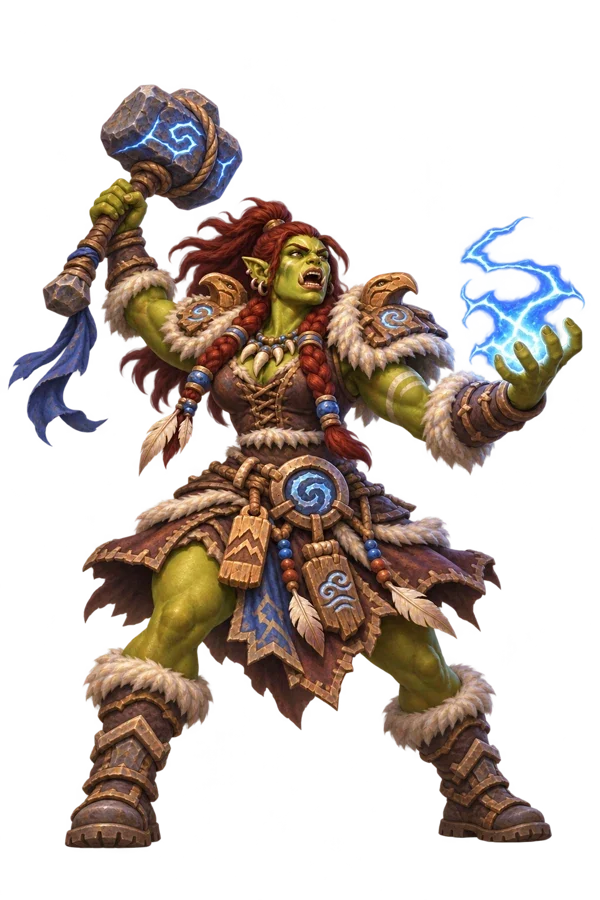
Shaman
Healer · Melee damage · Ranged damage
Work with elemental magic, weapon imbues and totems. Shaman offers healing, melee damage and ranged damage paths, with placement and group utility woven into its identity.
Consider: Totems and the needs of the group add decisions beyond your own target. This quiz does not treat Shaman as a tank class.

Warlock
Ranged damage
Use Shadow, Fire, lingering damage and a summoned demon. Warlock suits players attracted to dark magic and the interaction between a caster, a companion and effects on enemies.
Consider: A demon is another tool to manage, and some paths ask you to maintain effects over time. It is a different rhythm from only casting direct attacks.
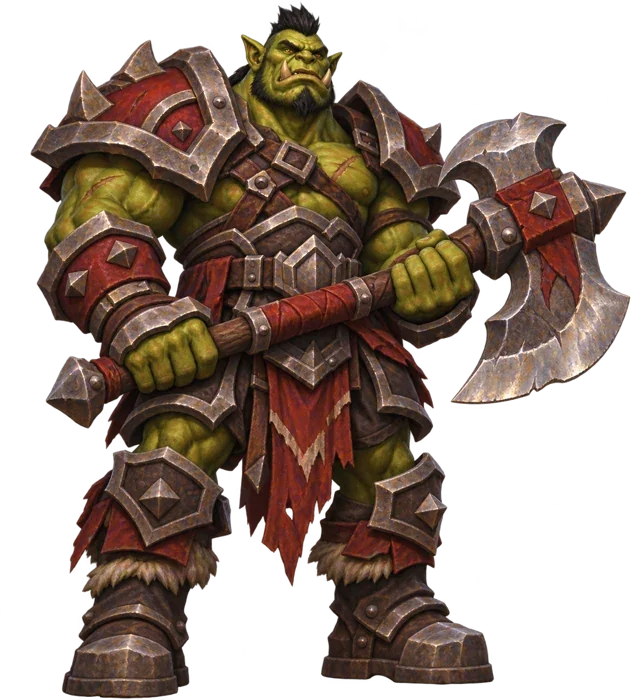
Warrior
Tank · Melee damage
Commit to physical combat with weapons, Rage and stances. Warrior offers tanking and melee damage paths for players who want an identity rooted in armed combat.
Consider: You are choosing close-range combat rather than a spellcasting or healing path. Tanking also puts responsibility for enemy attention and positioning on you.