
No More Room in Hell 2 review: good horror, messy co-op
Five hours after 1.0 with PC and PS5 friends: strong zombie atmosphere, but squad and voice bugs leave No More Room in Hell 2 at 5.5/10.

No More Room in Hell 2 has the atmosphere and co-op idea for a good Halloween game. In our group, bugs repeatedly interrupted the part that should hold it together: playing with your friends.
My score: 5.5/10. Without the problems we experienced, I could see it being a 7/10. That is its potential, rather than the game I actually played.
On this page
This No More Room in Hell 2 review is for people choosing a Halloween game with friends. We waited for the full release rather than joining during early access, so the impressions here concern the sequel after 1.0. Torn Banner Studios' co-op zombie survival game sends you through a zombie apocalypse to complete missions and extract. The gameplay combines finding supplies, tackling objectives and getting your team out alive. Its proximity voice chat lets you hear nearby players, making communication part of survival. Losing communication hurt our evening.
Resources are scarce and shared, and the undead horde reacts to your choices. Infection is a separate danger: an infected responder needs treatment before turning against allies. Finding supplies, weapons and a route to extraction therefore sits alongside the effort of finding your friends. That is the game's survival setup.
A zombie game where finding your friends matters
We waited until after 1.0 to play, largely because we wanted some Halloween feelings. No More Room in Hell 2 delivered those. The atmosphere was the strongest part of my time with it: it felt like playing a zombie movie with people I knew.
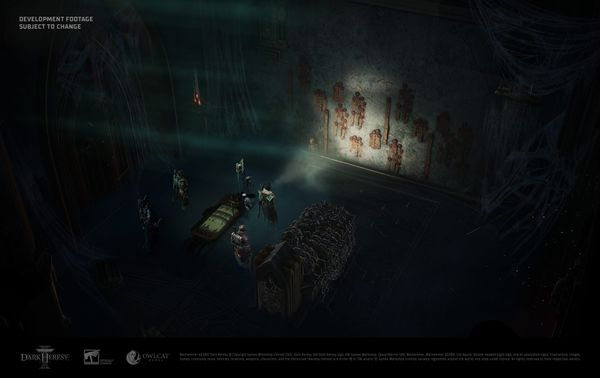
One encounter that stayed with me was the graveyard, with zombies breaking out of wooden coffins. It is a simple horror image, but exactly the sort of thing I came for. The maps also felt well made and varied, giving the familiar zombie setup places worth being in. The hospital stood out too. Compared with hospital settings in other zombie games I have played, it felt bigger and much more immersive, making the experience more enjoyable overall.
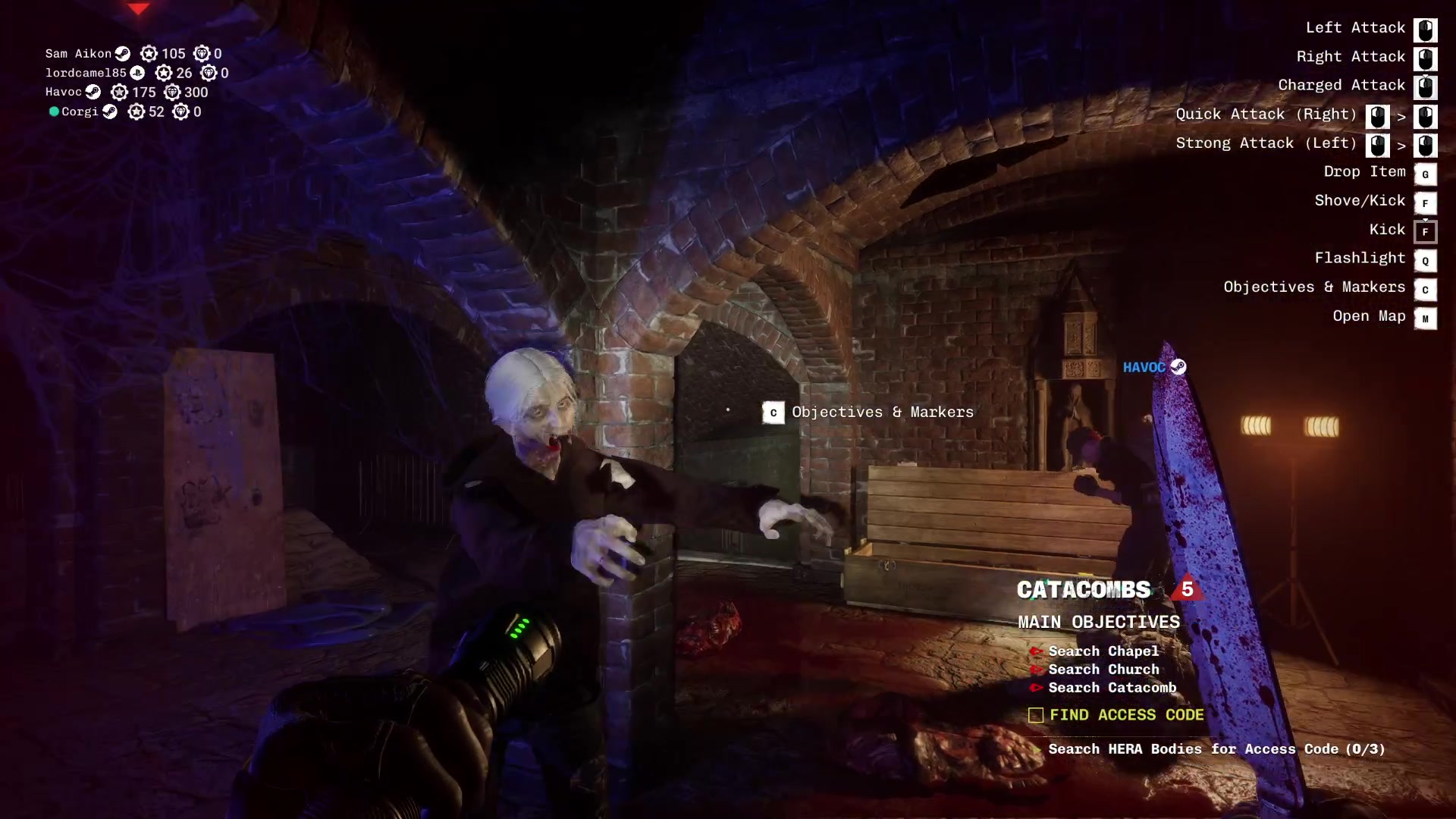
In the rounds where we started alone, finding fellow survivors became part of the experience. The aim is to survive together. Your team is already made up of friends, yet you still have to reach them. That gives the reunion some weight. The game became more fun as we spent time with it, and that opening idea is a good reason why.
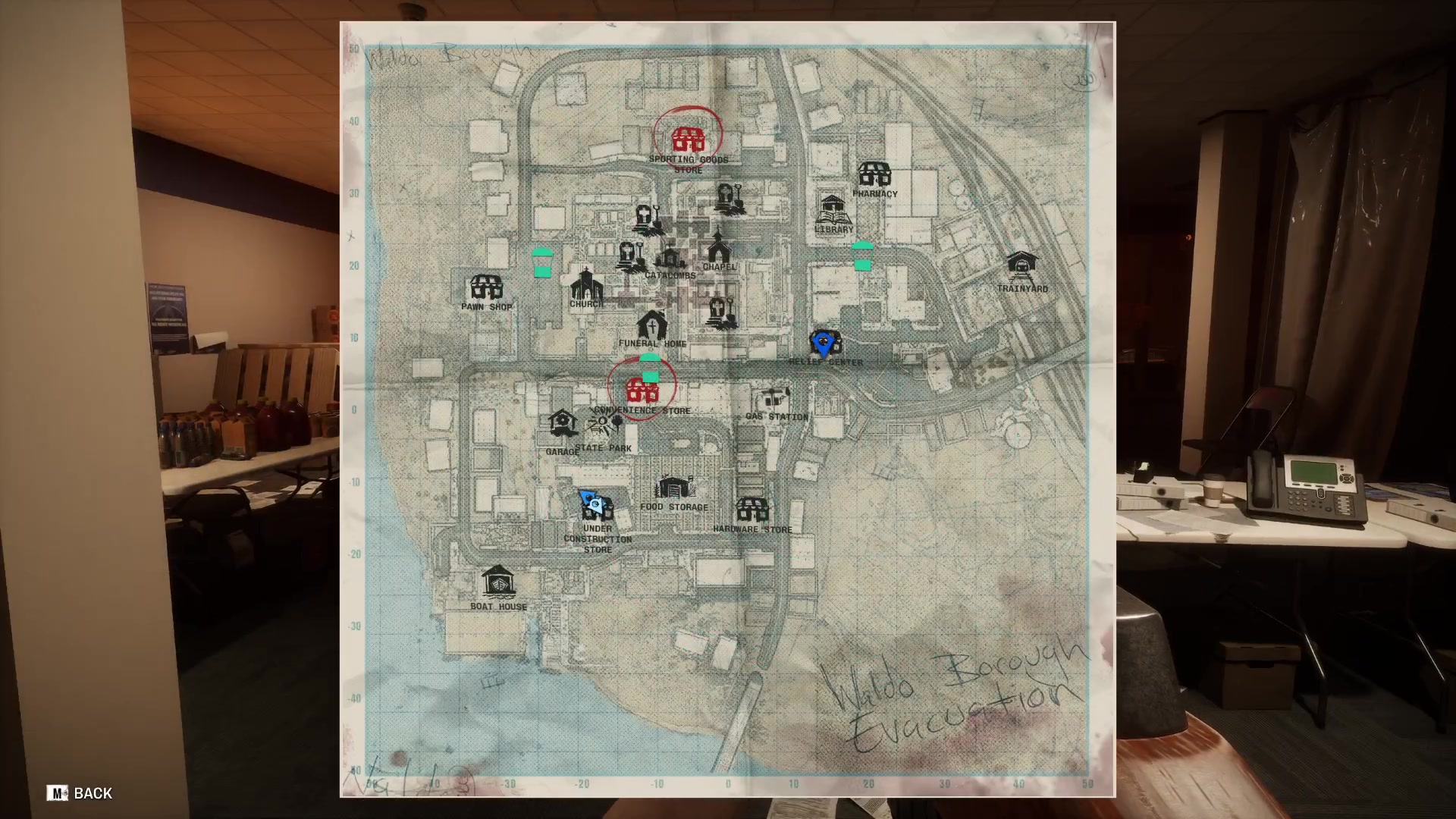
That praise is specific to the rounds we played. Starting apart is not universal: the updated version of Pottsville starts everyone together. What worked for me was the feeling of having to find the group, rather than a claim that every map follows the same structure.
Zombie survival, progression and permadeath
I liked seeing progress after a game. It gives completed missions something to contribute beyond the immediate attempt to survive. Character progression and unlocks give you a reason to carry a responder forward, and I welcomed that sense of progress during our time with it.
Permadeath, the permanent loss of your character, is the sharper side of that attachment. I was less comfortable with it, even though it belongs to the tension the game is trying to create. I can enjoy building up a character and still feel reluctant about losing that progress. The life-or-death stakes add tension, but losing a responder is also a reason I hesitate to commit to more missions.
Torn Banner's difficulty changes after early access
The respawn rules changed for 1.0, softening the all-or-nothing risk of early access. The difficulty setting now changes how much room you have to recover, and how soon death can permanently cost you a character:
An equipped Rescue Beacon protects your responder from the next permanent loss on any difficulty. It is a consumable and occupies a loadout slot, so keeping that protection across failed runs has a cost. For a group deciding how much risk it wants, Beginner and Normal offer second chances without removing permadeath altogether. The higher difficulties ask you to risk the character from the outset.
The objectives were sometimes confusing. We also tried the new Survival mode added for 1.0 without managing to work out how it functioned. Survival is a separate mode from Objective mode, where you work through map objectives and extract. I cannot give you a fair verdict on that mode from the attempt. It was a point where we needed clearer understanding, and our limited session never supplied it.
Repetition is another reservation, with a personal limit attached. Repeating objectives can wear on me in this genre, even when the maps themselves are good. I rarely stay with these games for long. Around five hours is enough to explain that hesitation; it does not establish whether the later progression would hold a more committed zombie-game player.
Co-op gameplay: when the team gets interrupted
The bugs were frustrating because they interfered with the group. A game that makes finding your friends satisfying also depends on keeping those friends properly connected.
Squad and voice chat
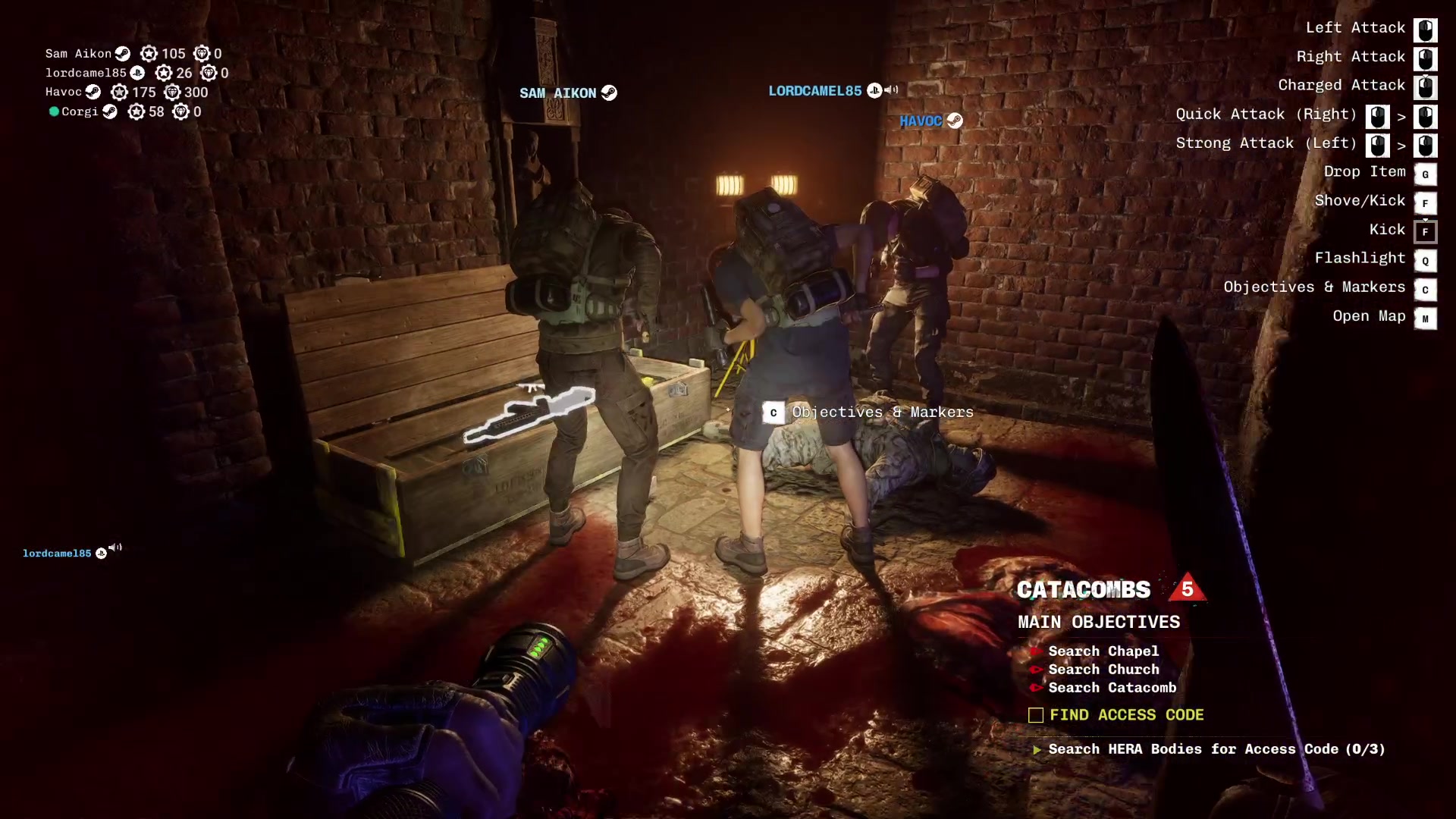
One PS5 friend appeared to be disconnected to the rest of us, although we could hear each other. Voice communication was working, while the squad's visible state suggested something else. It was an awkward situation to have in a game built around regrouping. Cross-play got us into the same session, but keeping the team visibly together was another matter.
Voice chat caused trouble elsewhere too. We had delayed audio, and settings changes eventually got communication working. On another occasion, nobody had voice chat anymore; rejoining resolved it. We also saw people vanish from the squad after rounds. Friend codes changing added another complication to the process of staying together.
Loading, melee feedback and controls
The host's Windows machine crashed while loading. I played on Fedora; this crash happened on the host's PC. Our mix of operating systems and consoles describes the test environment; it does not identify the cause of any of these problems or establish general Linux compatibility.
Melee feedback was another weak spot. Sometimes I could not clearly tell whether a hit had registered. I cannot diagnose a hit-registration bug from that feeling alone, but the uncertainty made each close-up fight less satisfying. Our PS5 players also found the controls tricky. That is their reported experience, rather than my own controller test.
We did not record the exact build or test date, and I have not retested the game to establish which problems a later patch resolved.
It won't be one of my favorite zombie games in this state, but the atmosphere still gives me a reason to want it to improve.
When nobody could use voice chat, rejoining was the way back to the session we wanted. That is a substantial interruption to a shared game night, even when you eventually get it working. The atmosphere kept pulling me back into the zombie movie. Sorting out the squad and voice chat kept pulling me out.
Questions before you play
Is No More Room in Hell 2 crossplay?
Yes. No More Room in Hell 2 supports crossplay, and our group included PC and PS5 players. That let us play together, but we also encountered squad and voice-chat problems. Crossplay availability and a smooth evening are different questions.
How many people can play No More Room in Hell 2?
Co-op supports up to eight players. We played as a group of five. This review reflects that group and its mixed platforms; it does not compare smaller and full squads or test how the difficulty scales between them.
Does No More Room in Hell 2 have controller support?
Yes, the game has native PC controller support. Our PS5 friends found the controls tricky, while I played on Fedora. I did not conduct a controller comparison, so their feedback is a reservation from our group rather than a verdict on every control setup.
Is No More Room in Hell 2 worth it?
For me, this sequel was an average experience with a good foundation. The horror atmosphere, maps and regrouping idea worked, but technical interruptions made it harder to enjoy with friends. Your tolerance for sorting out squad and voice issues matters if you want it for a shared Halloween evening.
Can No More Room in Hell 2 be played solo?
Yes. Solo Mode lets you practise and learn the maps. I did not test it, so I cannot judge its balance or progression. Starting apart in our co-op rounds was a different experience: we were still trying to reach friends, rather than completing a solo run.
The atmosphere is the reason I want it to work
The bugs left our evening at 5.5/10, but they did not erase what I liked about No More Room in Hell 2. It gave us the Halloween feeling we came looking for. Zombies breaking out of wooden coffins, well-made locations and the effort of finding your friends turned a familiar setup into our own little zombie movie.
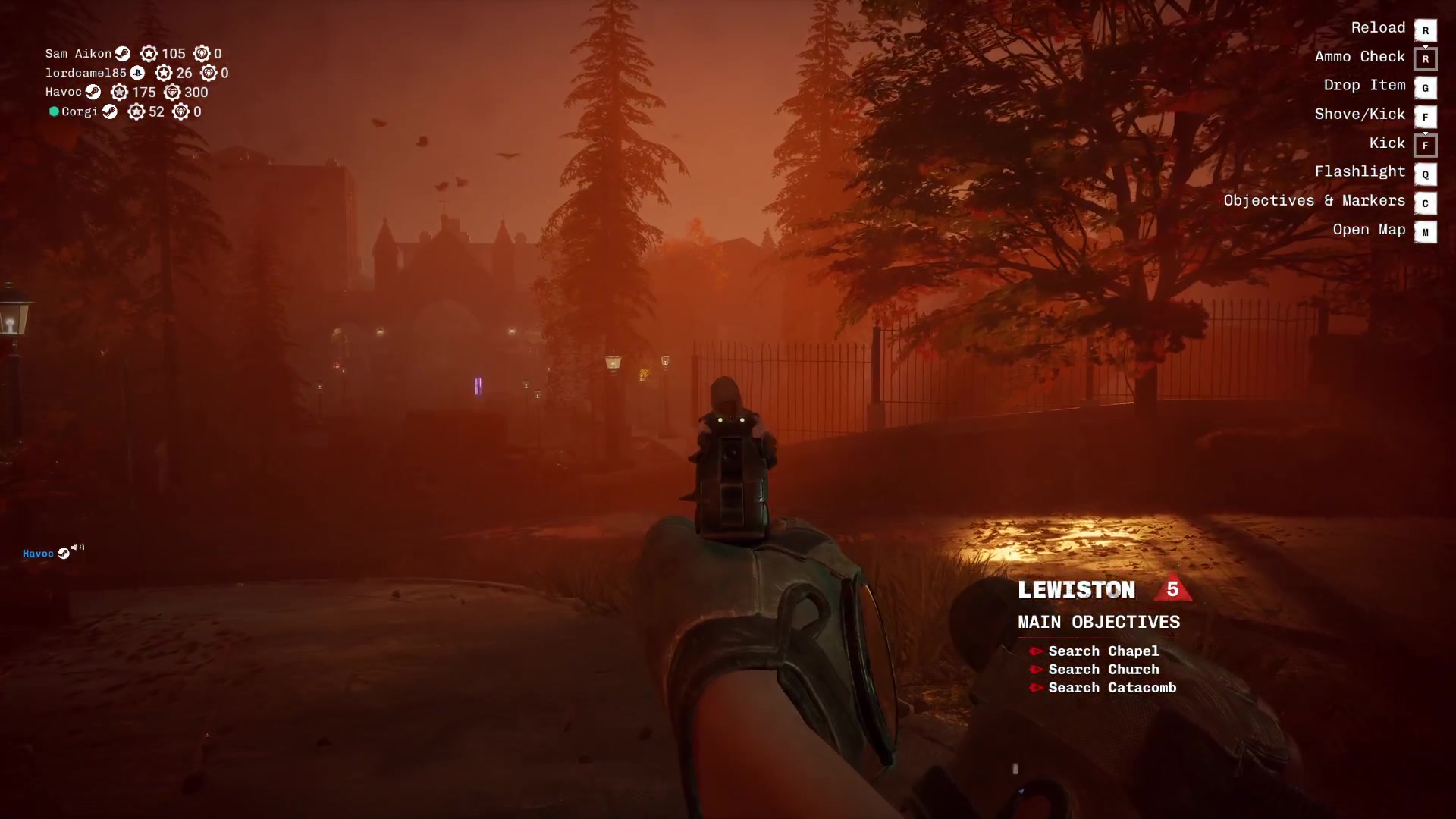
The red fog outside the church and the purple light against the catacombs' brick arches give that horror a distinct look. Above ground, trees and iron fences fade into the haze. Below, the flashlight picks out wooden coffins and the undead close enough to reach you. Those are the images I remember from our evening. Starting alone made meeting up satisfying; the varied maps gave us places worth exploring together. As we spent more time with the game, it became more fun. The atmosphere was not just decoration around the objectives. It was the reason I wanted to stay in that world with our group. There is an enjoyable zombie game here, and I hope Torn Banner can make the time spent together as dependable as the setting is convincing.
If a patient group and a zombie-movie evening sound like your thing, the foundation is good. I would still want the squad and voice problems sorted out before calling it an easy recommendation. Without those interruptions, I could see a 7/10 here: a game where the shared horror, the maps and the relief of finding each other get to carry the evening. That kind of shared fun is what I want more of.
Sources and further reading
Official references for the feature and update details: Steam listing, game overview, difficulty and permadeath, 1.0 modes and features and Resupply 1.1 changes. Our impressions and screenshots come from our own play.